Professional HVAC Services for Optimal Home Climate Control
High-quality HVAC offerings are vital to sustaining ideal home climate control. Homeowners regularly confront issues like peculiar sounds, fluctuating temperatures, and rising energy costs. Routine maintenance can substantially enhance system efficiency and indoor air quality. Hiring the right service provider is critical for enduring advantages. Knowing the indicators that suggest repair is necessary can further maximize home comfort. What particular indicators should property owners recognize?
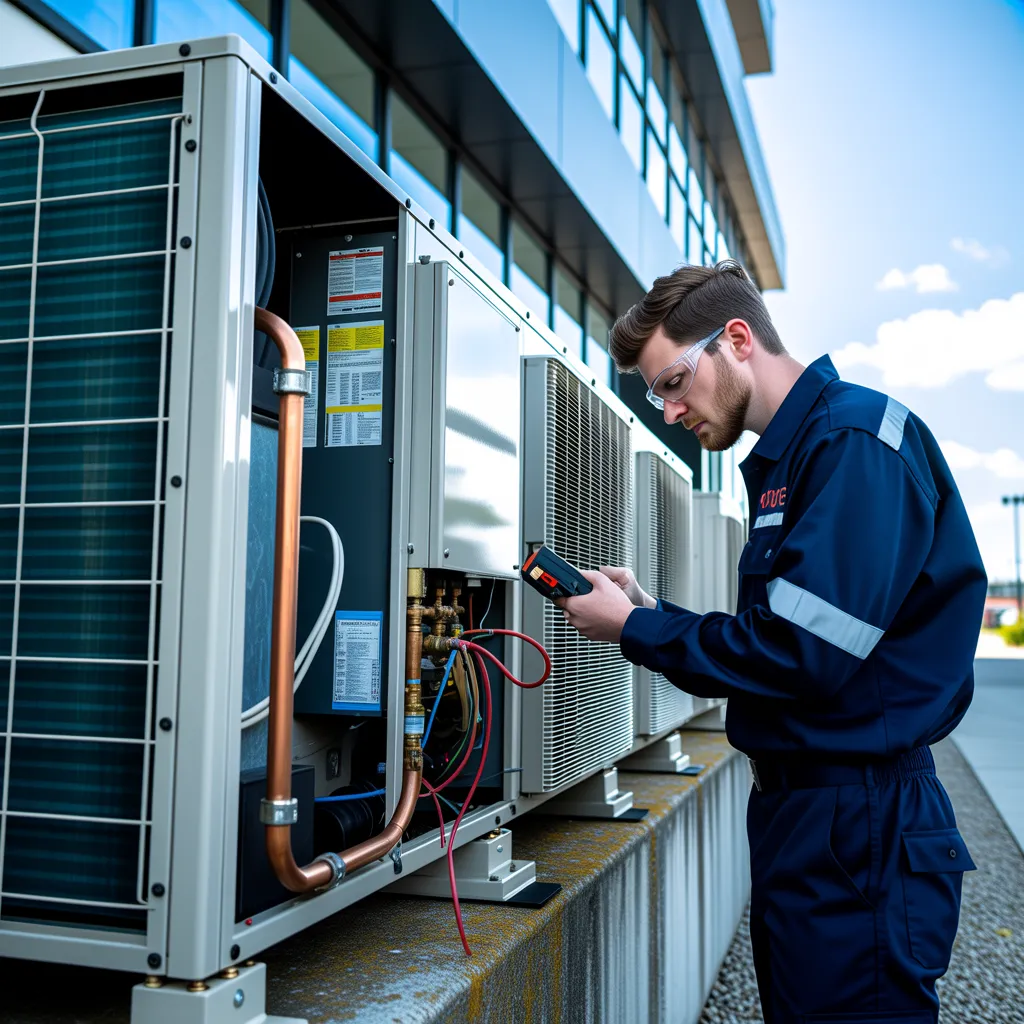
Symptoms Your HVAC System Needs Fixing?
How can homeowners tell when their HVAC system needs maintenance? Several indicators can assist in recognizing potential problems. Strange sounds, such as scraping or squealing, often indicate mechanical malfunctions. Additionally, varying temperatures across different rooms may indicate ductwork issues or a malfunctioning thermostat. Homeowners should also be aware of a increase in energy bills, which can suggest that the system is operating more intensively than necessary to maintain comfort.
A important indicator is the presence of unusual smells, which might suggest electrical issues or mold growth within the system. Frequent cycling on and off, referred to as short-cycling, can result in increased damage. Finally, if the system is delivering inadequate air or no air at all, it may require urgent attention. Recognizing these signals early can avert additional damage and expensive repairs.
Importance Routine HVAC Care Is Important
Consistent HVAC maintenance is important for ensuring peak performance and increasing the lifespan of your system. Routine assessments and servicing assist in spotting emerging concerns before they escalate into expensive repairs. Throughout upkeep, technicians usually clean components, check refrigerant levels, and ensure that every part operates efficiently. This proactive strategy not only strengthens system reliability but furthermore improves energy efficiency, leading to lower utility bills.
Furthermore, regular maintenance can considerably enhance air quality indoors by confirming filters are clean and ventilation systems are obstruction-free. Avoiding maintenance can result in poor performance and accelerated component deterioration on components, ultimately reducing the lifespan of the system's longevity. In addition, numerous manufacturers require regular maintenance to copyright warranty coverage. By committing to a dependable HVAC maintenance schedule, homeowners can achieve a comfortable living environment while minimizing unexpected breakdowns and expenses. Ultimately, regular maintenance is an important investment in home climate control.
Key Factors In Selecting An HVAC Contractor
Choosing the right HVAC service provider is vital to sustaining an efficient home climate control system. Several important factors should be evaluated to ensure peak service. First, the provider's licensing and insurance status is critical; this safeguards homeowners from possible risks. Second, evaluating expertise and experience is necessary; seasoned technicians are more likely to diagnose and resolve issues effectively.
Additionally, customer reviews and testimonials can reveal insights about the service provider's learn here dependability and caliber of work. Price openness is another crucial aspect; a trustworthy company should offer clear estimates without hidden fees. Finally, quick response times and client assistance play a significant role in routine upkeep and urgent repairs. By thoroughly assessing these factors, homeowners can choose a reliable heating and cooling contractor, ultimately enhancing a cozy and cost-effective living environment.
Different HVAC Systems You Should Learn About
Comprehending the various kinds of HVAC systems is essential for efficient home climate control. Central air conditioning systems, ductless mini-split systems, and heat pump systems each offer unique advantages and applications. Familiarity with these options enables homeowners to make informed decisions tailored to their specific needs.
Central Climate Control Systems
While numerous homeowners explore reliable air temperature options, central air conditioning systems prove to be a favored choice due to their efficiency and capacity to refrigerate big areas consistently. These systems run by moving chilled air through a network of ducts, supplying consistent temperatures across multiple rooms. Central air conditioning units commonly include an outdoor compressor and an indoor evaporator coil, which function as a team to remove heat from the air. This approach not only boosts comfort but also supports cleaner air by trapping dust and allergens. Additionally, central systems can be combined with smart thermostats, providing homeowners the ability to adjust energy usage more proficiently, therefore cutting utility costs while keeping a comfortable living environment.
Ductless Mini-Split Air Systems
Ductless mini-split systems offer a versatile and efficient option for homeowners seeking customized climate control. These systems consist of an outdoor compressor unit and one or more indoor air-handling units, allowing for precise temperature management in individual rooms. This flexibility allows homeowners to adjust heating and cooling according to their specific needs, improving comfort while possibly lowering energy costs. In addition, ductless systems are easier to install than traditional systems, as they need minimal ductwork, making them ideal for updating older homes. Their compact design also permits installation in spaces where conventional systems may not fit. As a result, ductless mini-split systems are increasingly popular for those seeking to optimize home climate control efficiently.
Heat Pump Setups
Heat pump systems represent another innovative option in modern HVAC technology, providing both cooling and heating solutions through a single unit. These systems operate by moving heat rather than generating it, making them efficient with energy and environmentally friendly. There are two main types: air-source and ground-source (or geothermal) heat pumps. Air-source units pull heat from the outside air, while ground-source systems draw heat from the ground. Both types can markedly reduce energy bills and decrease carbon footprints. Heat pumps are particularly efficient in moderate climates, where they can sustain comfortable indoor temperatures year-round. However, their efficiency can diminish in extreme temperatures, necessitating supplemental heating. Overall, heat pump systems are a flexible choice for homeowners seeking sustainable climate control solutions.
Ways heating and cooling services Can Assist You Save Expenses On Energy Bills
Reliable HVAC solutions contribute significantly to managing energy bills for homeowners. Consistent maintenance, intelligent climate control installation, and performance-enhancing improvements can markedly boost system performance. By optimizing these elements, homeowners can secure substantial savings on their energy bills.
Streamlined System Maintenance
Maintaining an HVAC system is critical for enhancing energy performance and reducing monthly utility costs. Scheduled inspections and maintenance ensure that the system performs at peak performance, reducing energy consumption. Routine maintenance tasks, such as filter replacement or cleaning, can significantly boost airflow and lower strain on the system, leading to lower utility costs. Additionally, handling minor issues before they turn into expensive repairs can save homeowners considerable amounts in the long run. HVAC professionals can spot inefficiencies and suggest modifications, ensuring that the system runs smoothly throughout the year. By stressing consistent upkeep, homeowners can achieve a comfortable indoor climate while also enjoying substantial reductions on their energy expenses.
Smart Thermostat Placement
An intelligent temperature control device can significantly improve power efficiency for homeowners while offering increased control over indoor climate. By automatically adjusting heating and cooling settings based on usage patterns and personal choices, these devices optimize power usage. HVAC services are essential in the installation process, ensuring that the thermostat is suitable with current infrastructure and set up for optimal performance. Professional installers can also educate homeowners on features like off-site control and energy usage reports, allowing knowledgeable choices about temperature management. Additionally, many smart thermostats connect with smart home platforms, additionally enhancing energy management. Ultimately, putting money into smart thermostat installation through reliable HVAC services can result in substantial decreases in energy bills while improving general ease in the home.
Sustainable Energy Modifications
Energy-efficient upgrades are critical to reducing energy expenses on energy bills while enhancing home comfort. HVAC services can help homeowners in spotting and executing these upgrades, which include high-efficiency heating units, efficient air conditioners, and superior insulation. By changing out outdated systems with state-of-the-art, efficient models, households can reduce energy consumption considerably. Additionally, routine maintenance secures maximum performance, avoiding costly repairs and suboptimal operation. Weatherizing ducts and sealing leaks further strengthen energy efficiency, allowing for enhanced temperature control throughout the home. Committing to these upgrades not only lowers monthly utility costs but also contributes a more sustainable environment. Overall, energy-efficient improvements represent a prudent choice for homeowners pursuing to maximize both comfort and savings.
HVAC Services Enhance Indoor Air Quality
Boosting indoor air quality is a key benefit of professional HVAC services. Routine upkeep and service of HVAC systems guarantee that filters are clean and operating properly, which helps trap dust, allergens, and other pollutants. Regular inspections can pinpoint issues such as mold growth or duct leaks, both of which can greatly diminish air quality.
Furthermore, HVAC professionals can suggest and set up air cleaning units, which additionally improve the home environment by trapping tiny contaminants. They can also evaluate humidity levels, as high humidity can lead to mold and mildew, damaging air quality.
What To Watch For During Your HVAC Service Call
Keeping ideal indoor air quality frequently causes homeowners to schedule HVAC appointments. During these appointments, technicians usually start with a comprehensive inspection of the system, evaluating components such as filters, ducts, and thermostats. They may inquire questions about any specific concerns or unusual noises, enabling them to tailor their service.
Next, technicians often clean or replace filters to improve performance and indoor air. They may also examine refrigerant amounts and look for any leakage, ensuring optimal operation. Additionally, they will test the system's functionality, verifying that temperature control features operate smoothly.
Homeowners can obtain a comprehensive overview detailing results and guidance. This may include suggestions for continued upkeep or possible enhancements. By grasping these steps, homeowners can better recognize the critical importance of consistent HVAC service appointments in maintaining a healthy and comfortable living space.
Frequently Asked Questions
What is the Standard Duration for HVAC Installation?
HVAC installation typically requires between one to three days, depending on the system's sophistication and the square footage of the home. Factors such as existing infrastructure and required modifications can also impact the duration.
What Guarantees Are Provided for HVAC Systems?
HVAC systems usually provide various warranties, like limited parts warranties, prolonged service warranties, and extensive system warranties, which may fluctuate by manufacturer and installation service. Customers should evaluate options meticulously to secure adequate coverage.
Can I install an HVAC System myself?
Setting up an HVAC system by yourself is doable but frequently challenging. Appropriate training, tools, and local codes must be evaluated. Expert installation is usually advised to guarantee security, effectiveness, and compliance with regulations.
What Is the Average Lifespan of an HVAC Unit?
The average lifespan of an HVAC unit generally spans from 15 to 25 years. Elements such as upkeep, usage, and climate factors can significantly impact its lifespan, influencing overall performance and efficiency.
How Routine Should Air Filter Replacement Occur?
HVAC filters need typical replacement every one to three months, based on usage and environmental factors. Consistent replacement guarantees peak system efficiency and improves indoor air quality, supporting a healthier living environment.